
For the first design project of MITidm core, we were briefed to identify a problem in the Travel space and use the design process to come up with a service-based concept, with emphasis on the problem definition, needfinding, and concept generation/testing phases. I decided to focus on interstate bus travel, partly due to my own (negative) experiences and partly because I really wanted to explore what it would look like to elevate one of the most accessible forms of out-of-state travel. In particular, the question I focused on was:
I wanted to look at the bus travel experience as a whole and with as much of an objective lens as possible to focus on aspects that were truly significant to others.
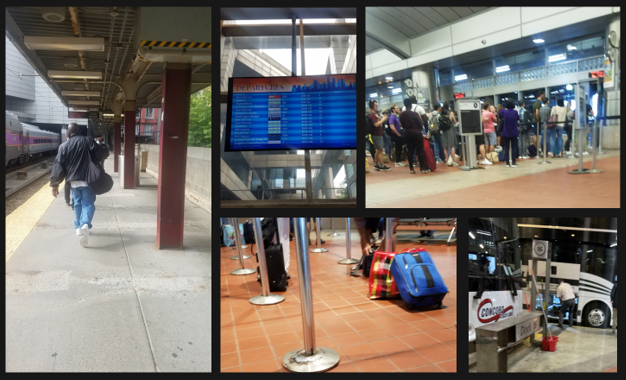
To do this, I conducted 13 interviews and multiple ethnography studies: connecting with past travelers, travelers at the station, drivers, and other service people to make sure as many stakeholders and their perspectives were included (focusing particularly on their current habits, desires, emotions, and underlying motivations). With these perspectives and observations, I mapped the general experience, noted the feelings and interactions between travelers and those on the service side, and created a persona based on insights that I picked up amongst young adult travelers that I spoke to.
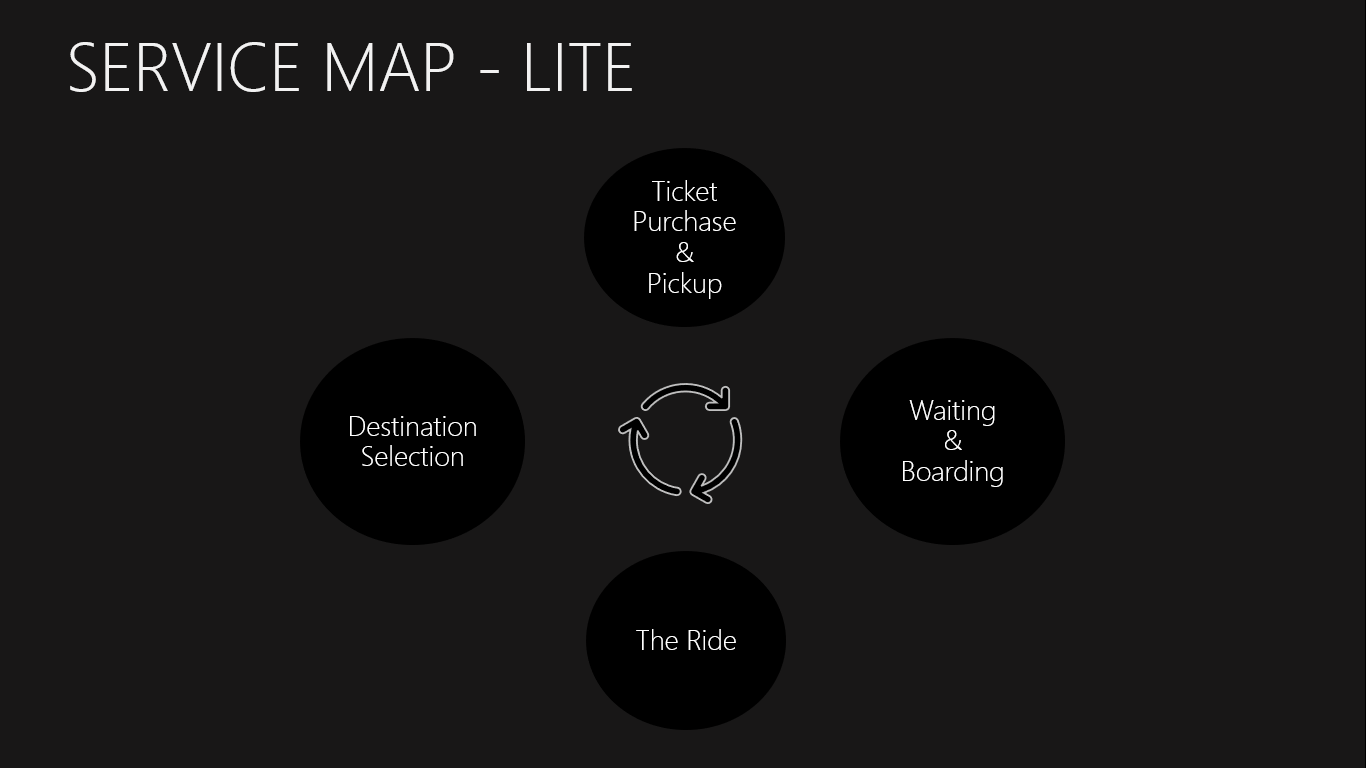
I focused on the Waiting & Boarding part of the experience because it yielded really interesting observations and was called out consistently as being a huge pain point during interviews. From people standing eager to board 1hr+ before departure worried about seating, to complaints about the lack of clear information, and even the multiple burdens placed on the driver/staff prior to the ride - the opportunity was there to think about things differently. In this part of the service experience, it was all about seeking comfort and reducing pre-trip anxiety.
What was really interesting was that despite these negative moments, the traveler persona that I focused on just accepted the experience as is. They believed that these were simply consequences of choosing this form of travel, which motivated me to explore combating this notion that increased affordability must result in an experience that lacks in delight.
I went broad in my ideation and came up with concepts that spanned physical-based services, more digtially-native services, and even services that sought to manipulate or re-imagine the bus station space itself. After coming up with around 25 concepts, I narrowed them down to 5 concepts based on my own initial assessment on each concept's level of desirability to the traveler, feasibility, and viability.
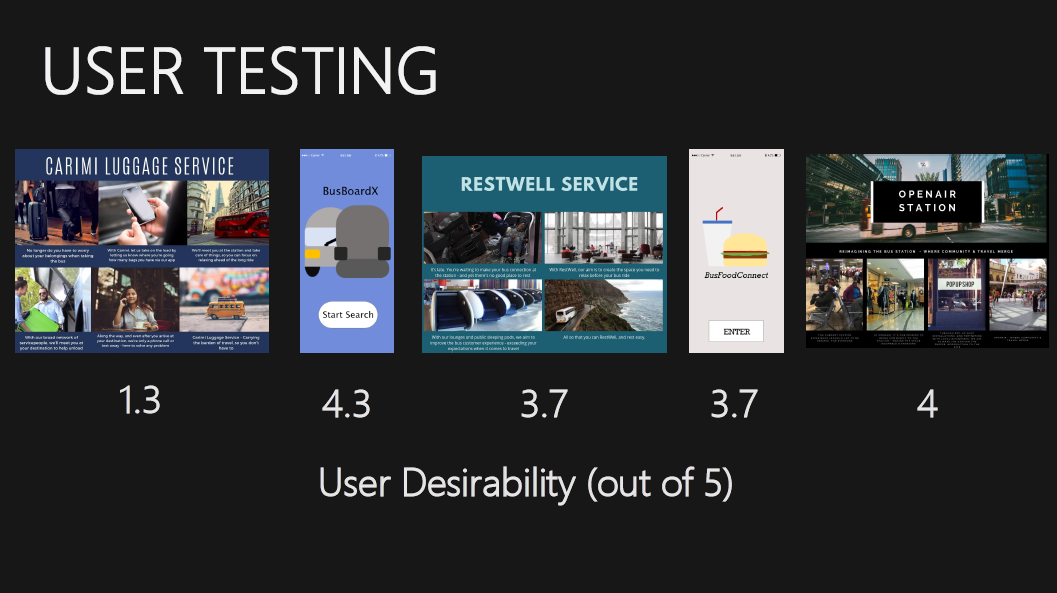
I then made storyboards with these 5 concepts and tested them with users to get a sense of desirability. I focused on desirability alone and encouraged interviewees to not worry about implementation/feasibility as the goal was to get a sense of what was ideal (and more importantly, the underlying motivations behind those beliefs).
From testing, I saw that alleviating the anxiousness around boarding resonated with people, as well as the idea of not being limited to the station prior to the ride. Travelers sought to do whatever they can to maximize their comfort on the ride prior to the ride, even if it meant getting in line early and being uncomfortable for a long time. This insight, along with feedback on the concepts overall, was cruicial in helping me refine my final design.
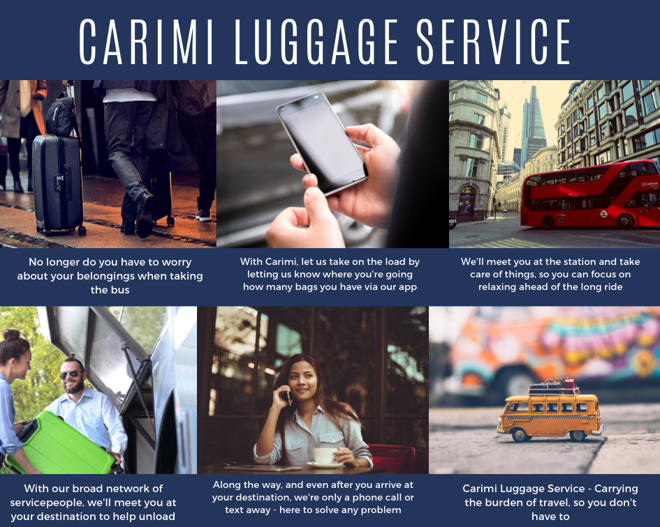
I ended up presenting a digital service that collects rider preferences and uses this information for seating assignments, allowing the rider to not have to worry about holding their spot in line or arriving well in advance for their ideal seat. With this meant to be an interface between riders and services operators, this was also meant to ease managing boarding process from an operator perspective as well. The high-level flow of the concept was as follows:
A link to a lo-fi prototype of the traveler-facing end of the digital service is here.